
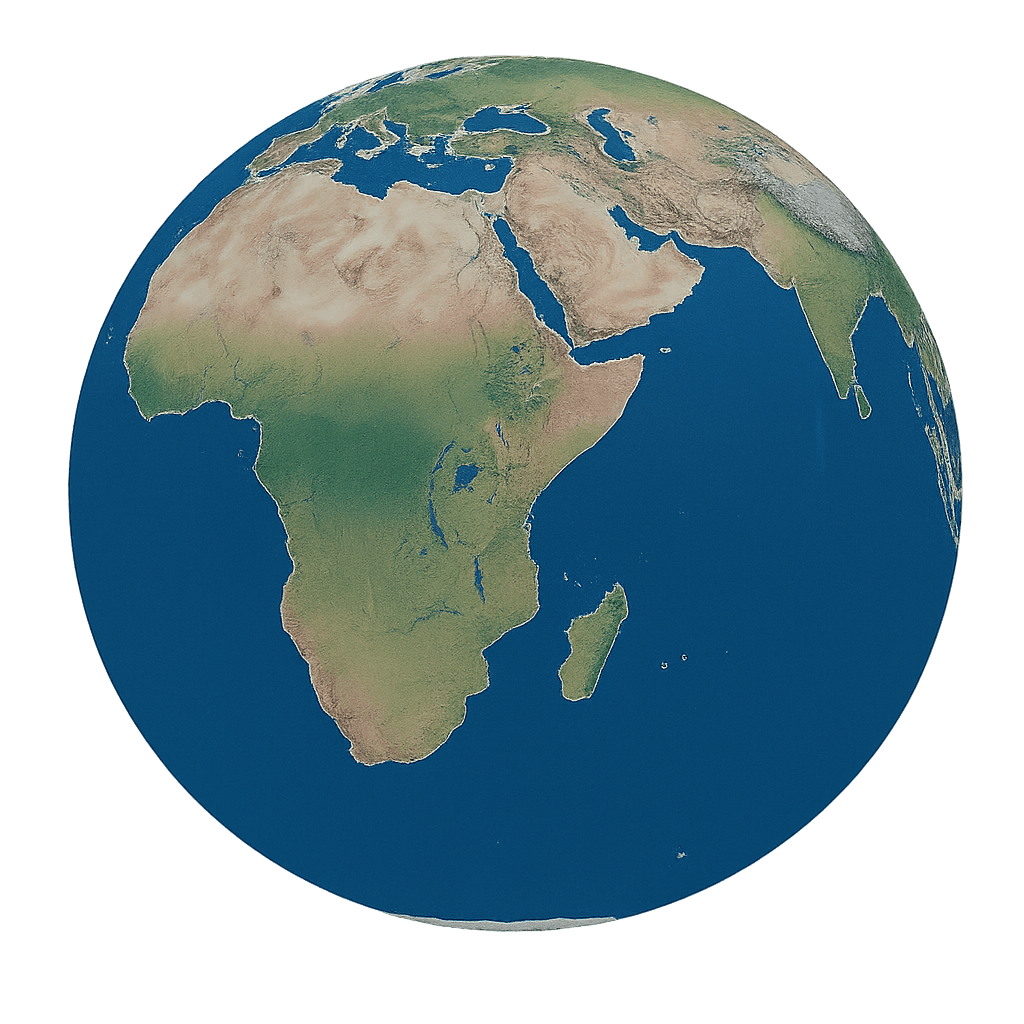
Army G-2 Views the World (6 AUG 1926)
More than half of the report focused on the clash between Mexican President Plutarco Elías Calles’s government and the Roman Catholic Church. On July 31, the Mexican government began enforcing long-standing provisions restricting church activities. These measures aimed “to uproot clericalism, to prevent the accumulation of wealth by the church, and to remove the church from political activities,” rather than to persecute religion itself. In response, the Church suspended all religious services after July 31. “It is no exaggeration to say,” the summary noted, “that the struggle between the Church and the State in Mexico. . . began practically at the time of the Conquest.”
Given how closely intertwined religion and politics were in Latin American society, the report predicted the conflict would likely continue for years. Still, “the question itself is a purely Mexican one,” it concluded, “and apt to remain such unless the rights of foreigners are flagrantly violated.”
In Europe, French Premier Raymond Poincaré had returned to power amid a financial crisis threatening national stability. Supported by “a remarkable assemblage of French leaders, representing the widest school of political thought,” Poincaré’s government moved quickly to confront the crisis through strict economies in state services and increased taxation. Although confidence in the government was restored, the G-2 observed the turmoil demonstrated how a major power’s internal debt could erode public trust, drive capital out of the country, and produce far-reaching consequences.
Across the Rhine, French military training maneuvers in occupied German territory appeared intended to signal that “armed action… against Poland would have serious results” for Germany. Even so, “Germany continues to prosper,” the report stated. “Her economic house is almost in order and waiting for business. She is, in Europe, perhaps the best organized at present to take rapid and efficient advantage of any turn of fortune which may occur.”
In Soviet Russia, internal power struggles reached a climax with the expulsion of Grigory Zinoviev, chairman of the Communist Party. Real authority rested with Joseph Stalin, whom the report described as possessing “great skill in party work and tactics,” carefully avoiding the appearance of personal ambition and framing opposition as attacks on the party rather than on himself.
China presented perhaps the most chaotic picture. Chiang Kai-shek and four other leaders continued to field large armies, with fighting reported near and west of Peking and farther south. Throughout the country, “every governmental function is dominated by the militarists.” Military control of railroads meant that “the income goes to the military chiefs instead of being used for the purposes for which it was intended.” Despite this turmoil, the report noted a paradox: China’s total trade in 1925 exceeded that of 1924.
The War Department distributed this intelligence summary to the President, the State Department, and throughout the Army. It captured a world marked by political upheaval, from Mexico’s religious strife to Europe’s economic instability and Asia’s military fragmentation. These tensions in 1926 would continue to simmer into the 1930s, ultimately contributing to the global conflicts that followed.
***
Article by Michael E. Bigelow, INSCOM Command Historian. New issues of This Week in MI History are published each week. To report story errors, ask questions, request previous articles, or be added to our distribution list, please contact: TR-ICoE-Command-Historian@army.mil.
Legal Disclaimer:
EIN Presswire provides this news content "as is" without warranty of any kind. We do not accept any responsibility or liability for the accuracy, content, images, videos, licenses, completeness, legality, or reliability of the information contained in this article. If you have any complaints or copyright issues related to this article, kindly contact the author above.
